
Patients and families
Let’s understand what the nervous system is telling you.
Since 2011, Dr. Kyle has worked with children and adults. Families have come from 63 countries and 48 states.
About 5 minutes. No cost, no obligation. You’ll hear back from a real person.
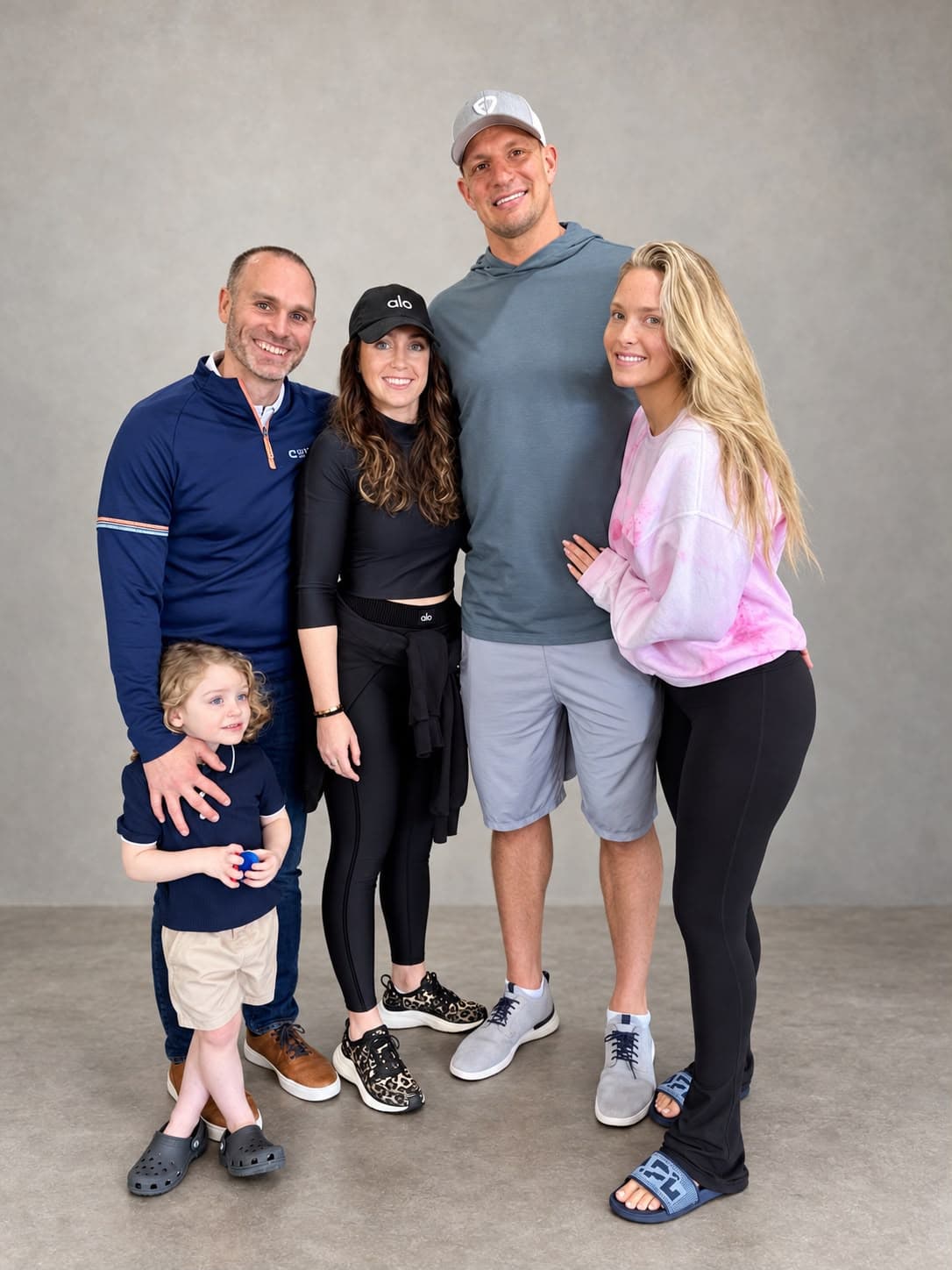
Clinic tour
Take a look inside the clinic.
Gallery
Life in the clinic
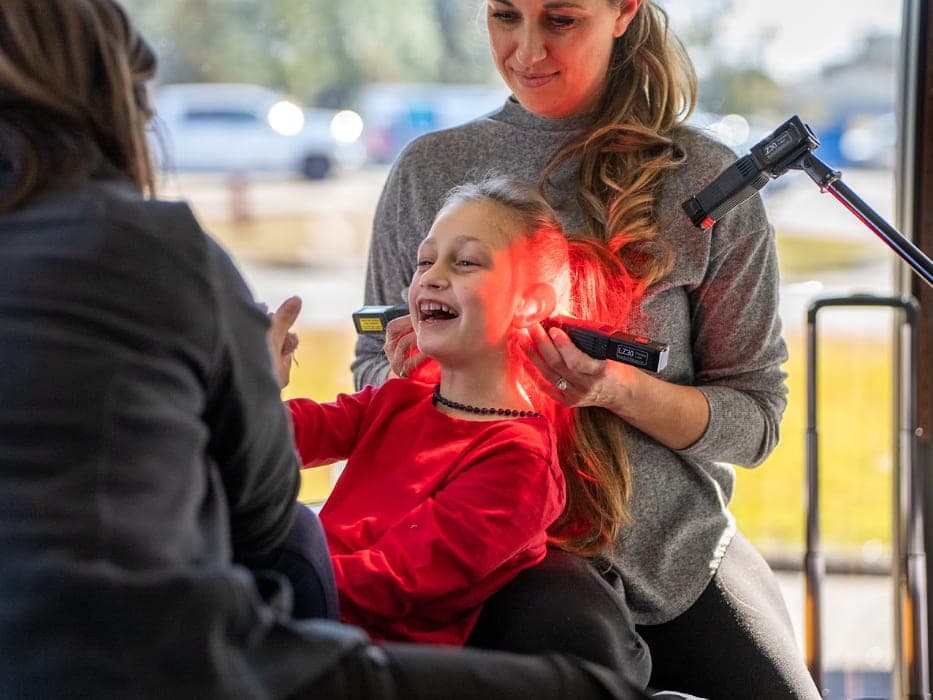
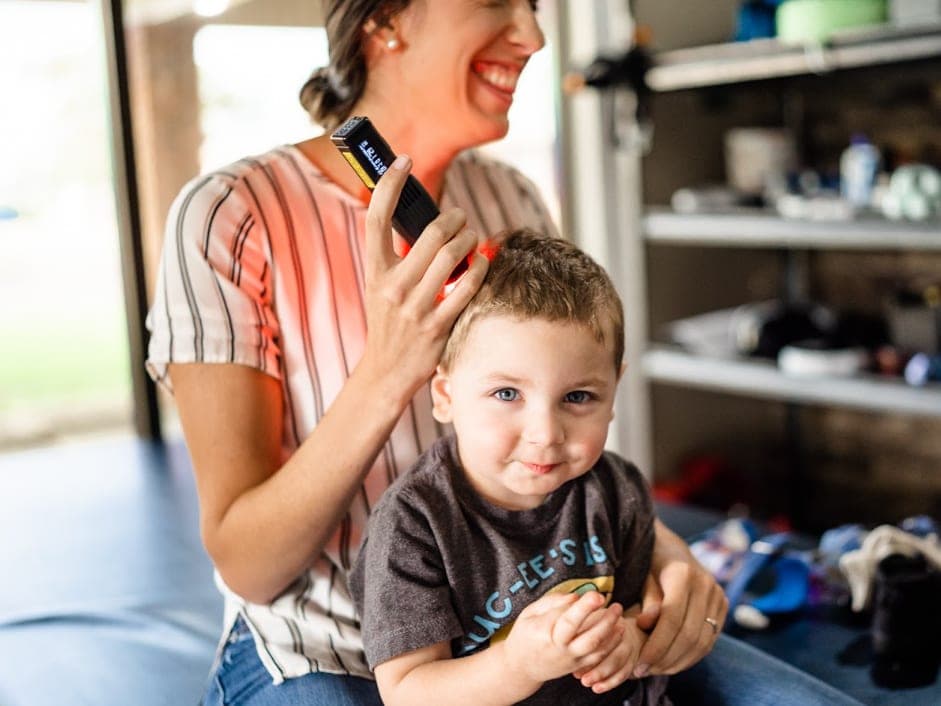
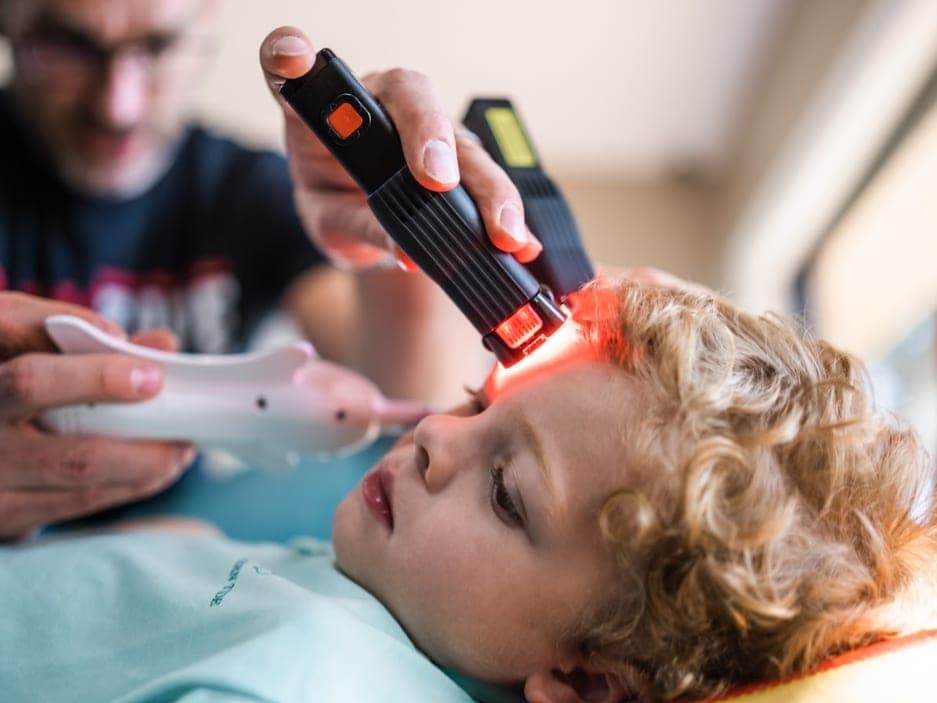
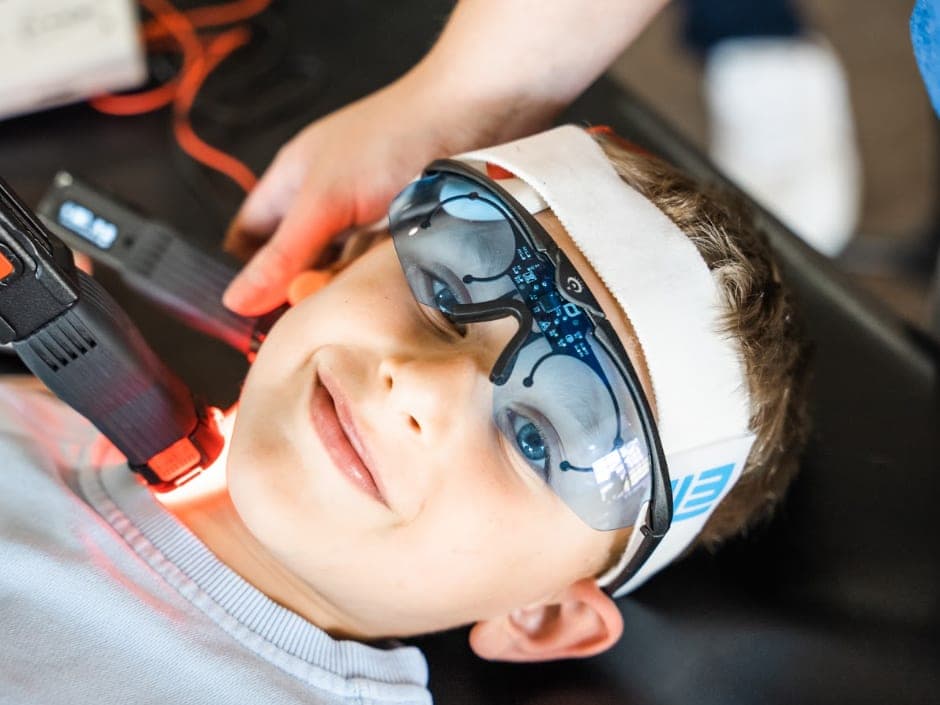
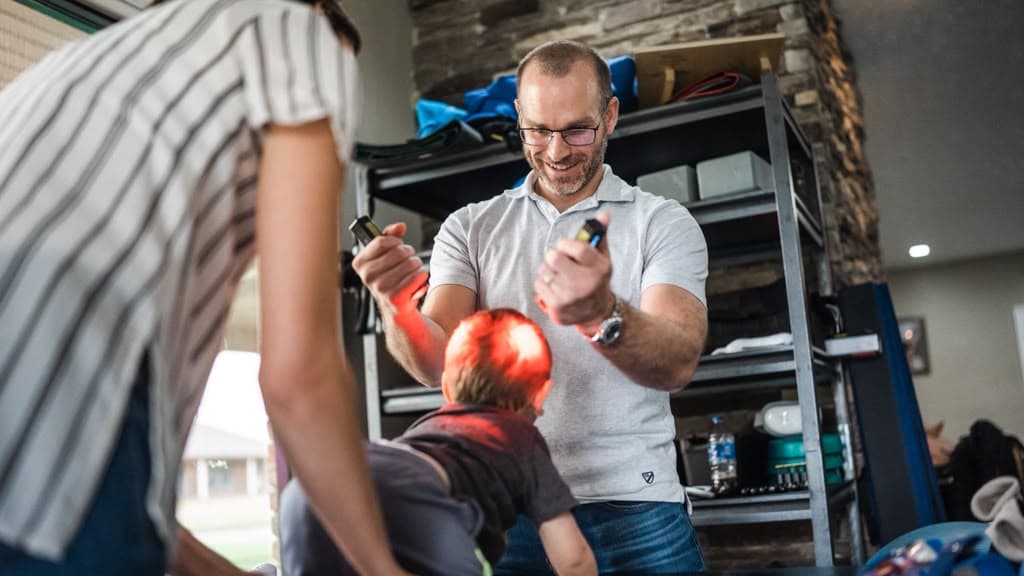
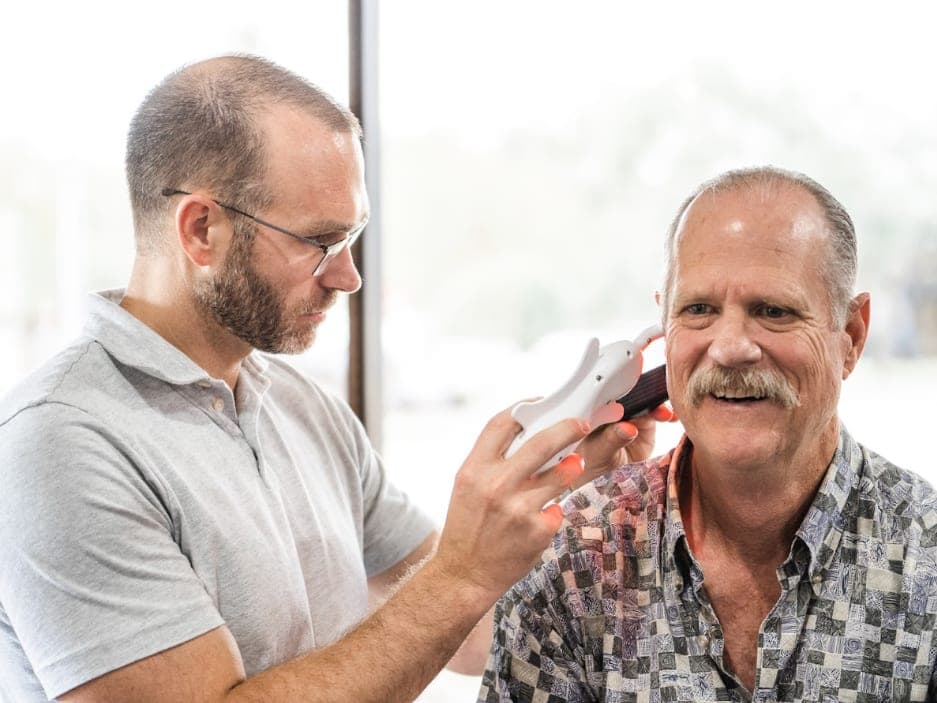
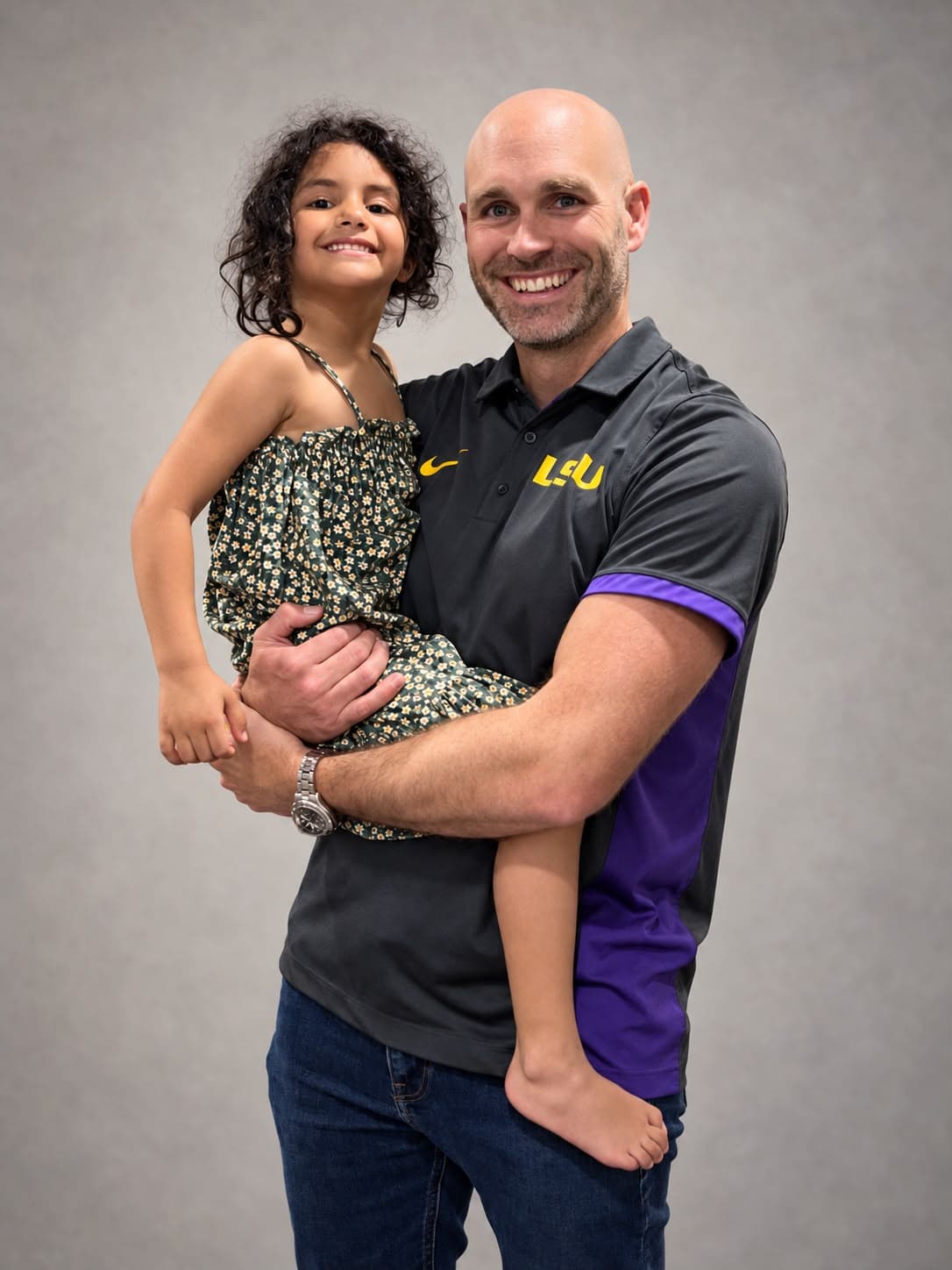
You’re the parent who doesn’t stop looking.
Most families who come to us have already been to pediatricians, occupational therapists and speech therapists. They aren’t looking to replace that care. They’re looking for the piece that’s missing.
A diagnosis tells us where to start, not where to stop.
Autism. ADHD. Developmental delay. Dyslexia. PANS/PANDAS. A diagnosis can be useful, but it doesn’t tell us everything happening inside one individual child. We look at the neurological exam, developmental history and the broader clinical picture to ask a different question: what may be contributing to this child’s challenges, and what can we meaningfully work on?
- 01
How the brain is organizing sensory input
Eye movements, vestibular processing, proprioception, and the way the nervous system handles sound, touch and movement.
- 02
Developmental foundations
Primitive reflexes, postural control, coordination, motor development and the neurological building blocks that support higher-level function.
- 03
Autonomic regulation
How the nervous system helps regulate sleep, digestion, stress response, heart rate, blood pressure and recovery.
- 04
Energy and recovery capacity
Whether the child has the physiological resources to tolerate, adapt to and benefit from rehabilitation.
- 05
The bigger clinical picture
When the history warrants it, we may recommend further evaluation of gastrointestinal, immune, inflammatory, metabolic, infectious or environmental factors, either within the appropriate scope of care or in coordination with the right medical professional.
Children and adults.
- 01
Children
Autism, developmental delays, ADHD, dyslexia, retained primitive reflexes, sensory processing challenges, regulation difficulties and other neurodevelopmental concerns.
- 02
Adults
Concussion and brain injury, spinal cord injury, CRPS and chronic pain, dizziness and balance, and movement disorders.
Some cases aren’t a fit.
If yours isn’t, we’ll say so and point you elsewhere where we can. The consultation is the place we find that out, before anything is booked.
Three steps, nothing hidden.
- 1
Questionnaire
Five short questions so the first conversation starts in the right place.
- 2
Assessment
A one-hour neurological exam. You’re in the room and you see what we see.
- 3
A written plan
What we found, what we think can help, and what to do at home.
We don’t promise cures or outcomes.
We’ll tell you what we find and what we don’t know.
Does this replace my child’s therapists?
No. It works alongside them, and we’re happy to coordinate.
Is it expensive? Is it covered by insurance?
Care is private pay. Financing may be available for qualified applicants.